Coconut Reclaimed Glass Case - Coconut Reclaimed Mycelium Leather Eyewear Case
$55.00 USD
Need help?
If you have any questions, you are always welcome to contact us. We'll get back to you as soon as possible, within 24 hours on weekdays.
Shipping Information
Use this text to answer questions in as much detail as possible for your customers.
Customer Support
Use this text to answer questions in as much detail as possible for your customers.
FAQ’s
Use this text to answer questions in as much detail as possible for your customers.
Contact Us
Use this text to answer questions in as much detail as possible for your customers.
Product details
Description
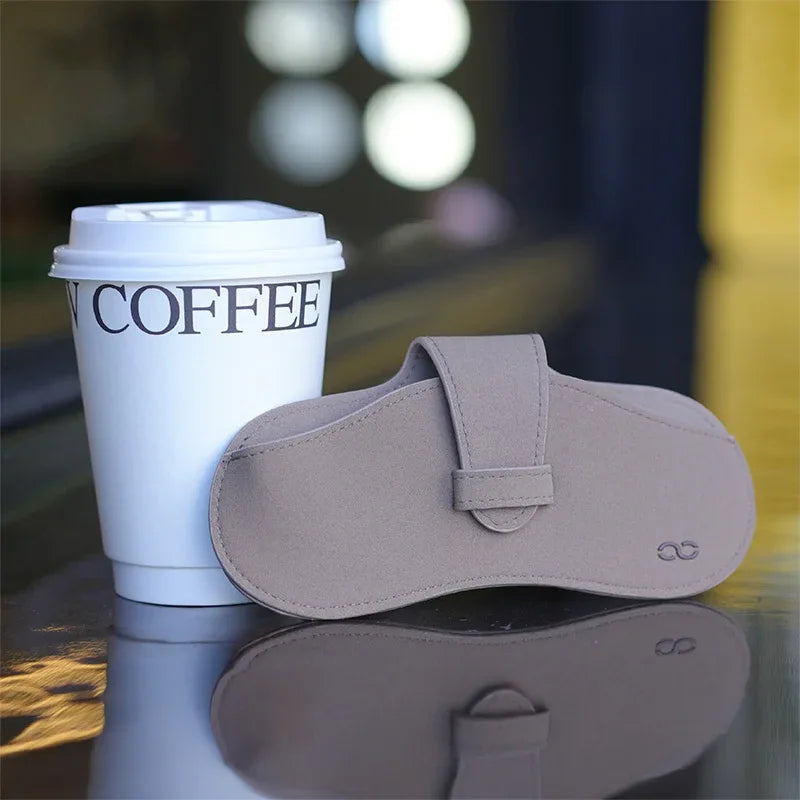
Premium Eco-Friendly Eyewear Cases from Coconut-Reclaimed Mycelium
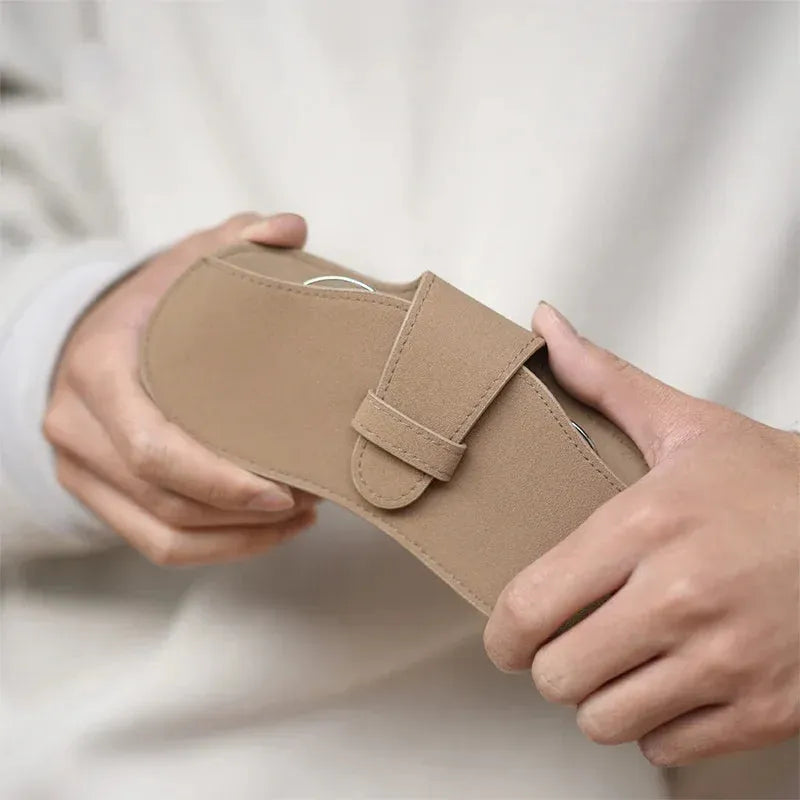
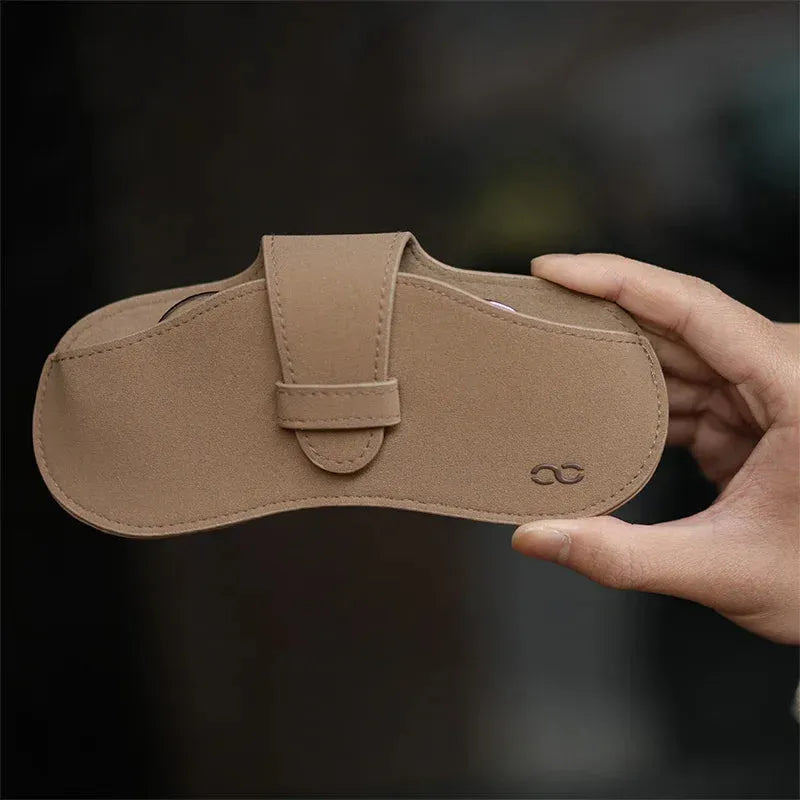
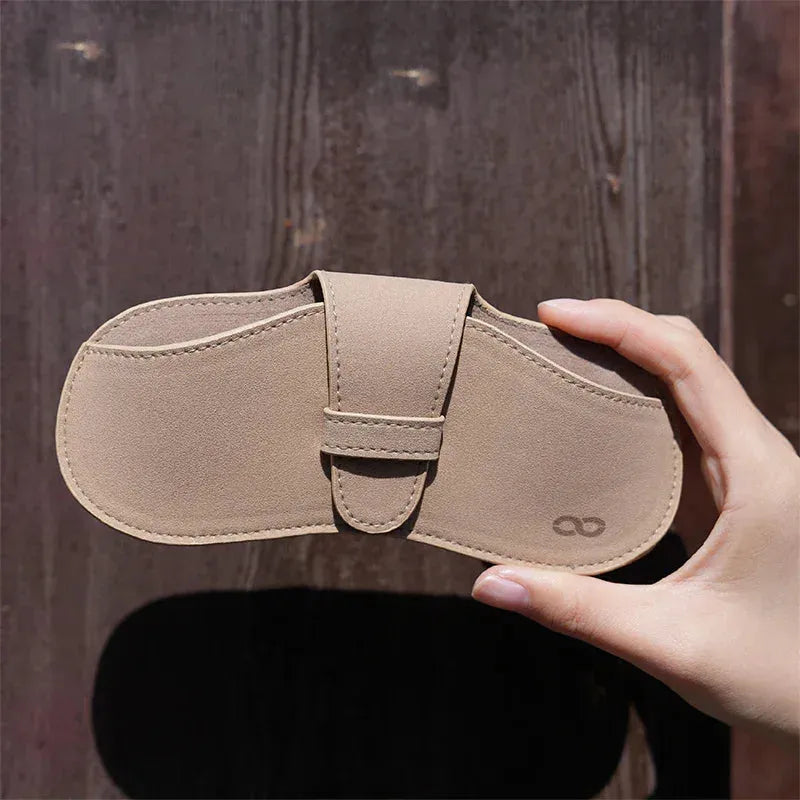
This slim eyewear case transforms agricultural waste into refined glasses protection. Crafted by feeding mycelium with reclaimed coconut waste, this glasses case transforms agricultural byproducts into a durable, bio-based leather alternative. Naturally textured and softly structured, it protects your glasses while keeping a clean, minimal profile.
Material Innovation & Circular Economy
Coconut-reclaimed mycelium leather represents a breakthrough in sustainable eyewear accessories. Coconut processing generates significant agricultural waste—husks, shells, and fiber byproducts that typically end up in landfills. This eco-friendly eyewear case transforms what would become waste into premium, protective material.
Why Choose Coconut Leather Eyewear Cases Over Traditional Options
Eco-friendly eyewear cases made from coconut-reclaimed mycelium offer distinct advantages over conventional alternatives:
Agricultural Waste Reduction: Diverts coconut byproducts from landfills and incineration
Lower Environmental Impact: Reduces need for new plastic or synthetic production
Circular Economy: Transforms byproducts into valuable products
Sustainable Material: Bio-based composition reduces reliance on virgin resources
Premium Quality: Comparable durability and feel to genuine leather
Cruelty-Free: No animal harm in manufacturing process
Natural Aging: Develops character and patina over time
Lightweight Protection: Protects glasses without adding bulk
Environmental Impact of Coconut Waste
Coconut processing generates millions of tonnes of agricultural waste annually—husks, shells, fiber, and water byproducts. This coconut leather eyewear case addresses this growing problem:
Landfill Diversion: Each case prevents coconut waste from decomposing in landfills
Resource Conservation: Reduces need for new material production
Mushmycel Certified B Corporation: Commitment to social and environmental responsibility
Sustainable Sourcing: Coconut waste from certified agricultural suppliers
Sustainable Eyewear Cases in the Market
The rise of eco-friendly glasses cases reflects growing consumer demand for sustainable eyewear protection. Coconut-reclaimed mycelium leather stands apart from other options:
Alternative
Sustainability
Durability
Biodegradability
Unique Aesthetic
Waste Reduction
Coconut Mycelium
Circular economy
High
Partially
Excellent
Excellent
Vegan Leather
Plant-based
High
Limited
Good
Moderate
Recycled Materials
Waste reduction
High
Limited
Moderate
Excellent
Cork Leather
Renewable bark
Moderate
Biodegradable
Good
Moderate
Apple Leather
Food waste reuse
High
Partially
Excellent
Excellent
Traditional Leather
Non-renewable
High
Slow
Excellent
None
Who This Coconut Leather Eyewear Case Is For
Conscious Consumers: Those seeking eco-friendly eyewear accessories that align with values
Sustainability Advocates: Support brands using recycled materials and circular economy principles
Minimalist Lifestyle: Prefer slim, lightweight accessories for light carry
Environmental Advocates: Want to reduce personal carbon footprint through everyday choices
Waste-Conscious Individuals: Value products that divert waste from landfills
Quality-Focused Individuals: Appreciate premium materials that age naturally
Eyeglass Wearers: Need reliable, portable glasses protection
The Coconut-Reclaimed Mycelium Advantage
Unlike conventional eco-friendly eyewear cases made from virgin plant-based materials, coconut-reclaimed mycelium leather offers:
Waste Transformation: Converts agricultural byproduct into valuable product
Dual Environmental Benefit: Reduces waste AND prevents new material production
Circular Economy: Completes loop from coconut processing to eyewear protection
Natural Texture: Unique appearance from fermentation process
Consumer Consciousness: Demonstrates demand for sustainable eyewear accessories
Intentional Living for Modern Eyeglass Wearers
This coconut leather eyewear case supports conscious lifestyle choices:
Carry Less: Slim design minimizes packing bulk
Stay Protected: Keeps glasses safe from damage
Move Freely: Lightweight design enables unrestricted movement
Reduce Clutter: Promotes organized, minimal carry
Live Intentionally: Reflects values of simplicity and sustainability
Embrace Minimalism: Supports philosophy of "less is more"
Protect Valuables: Reliable protection for expensive eyewear
Premium Material Story
This coconut leather eyewear case carries a meaningful narrative:
Agricultural Innovation: Transforms processing byproducts into luxury accessory
Fermentation Process: Natural growth creates unique texture and character
Slow Material: Grown over weeks, not manufactured instantly
Authentic Sustainability: Real waste reduction, not greenwashing
Aging Gracefully: Develops patina and character with use
Intentional Design: Every element serves purpose and sustainability
Eyewear Protection: Combines eco-materials with practical functionality
Eyewear Protection Reimagined
This coconut leather eyewear case represents a new approach to glasses care:
Slim Protection: Protects without adding bulk to bags
Soft Interior: Gentle protection for valuable lenses
Natural Aging: Develops character that tells usage stories
Sustainable Choice: Aligns eyewear care with environmental values
Premium Feel: Rivals genuine leather in quality and aesthetics
Durable Construction: Withstands daily use and handling
Circular Impact: Supports waste reduction and circular economy
Material
Coconut leather is a new sustainable material designed with environmental responsibility at its core. It is made by combining fibers from discarded coconut husks with plant-based binders, then forming the material through high-pressure molding and surface finishing. This process not only reduces agricultural waste but also gives the material a distinctive natural texture and a light, organic touch.
Care instructions
Apple recycled leather is easy to maintain. Simply wipe it with a soft dry cloth, and use a slightly damp cloth for light stains before letting it air-dry naturally. Avoid cleaners containing alcohol, solvents, or bleach. Although the material is water-resistant, do not soak it or expose it to high humidity; if it becomes wet, blot gently and dry in a cool, shaded place. Keep the surface away from sharp objects and avoid prolonged pressure to prevent deformation. Also ensure it is not exposed to direct sunlight, high temperatures, or heat sources, as these may cause discoloration or aging.
Yes. Our packaging is made from FSC-certified, recyclable, and biodegradable materials, ensuring minimal impact on the environment.
Is it durable enough for shipping?
Absolutely. The packaging is designed to be sturdy, moisture-resistant, and protective during long-distance delivery.
Does it look premium for gifting?
Yes. Our minimalist design balances elegance and sustainability, making it ideal for personal or corporate gifting.
Is this material really sustainable?
Yes. Our products are made from upcycled apple waste, giving new life to fruit by-products that would otherwise go to waste.
What exactly is apple leather?
Apple leather is a plant-based material created from apple pomace left over from juice production, combined with eco-friendly binders for strength and durability.
We are creating a second life for Coconut waste
Coconut Leather is crafted from recycled coconut husk fibers, transformed through innovative processes into a sustainable alternative to traditional leather. It reduces agricultural waste, avoids the use of animal hides, and minimizes chemical treatments. Each piece carries the raw vitality of nature—where sustainability meets modern design, and where discarded coconut shells find a new purpose in everyday life.
reshaped from discarded coconut husk fibers
natural, resilient, and lightweight, returning to everyday life in the gentlest way as a subtle and responsible material choice.
Choosing a selection results in a full page refresh.