The 4 Major Disadvantages of Vegan Leather (What Brands Hide)
People who buy vegan leather often think it will work just like regular animal hide. No, it doesn't.
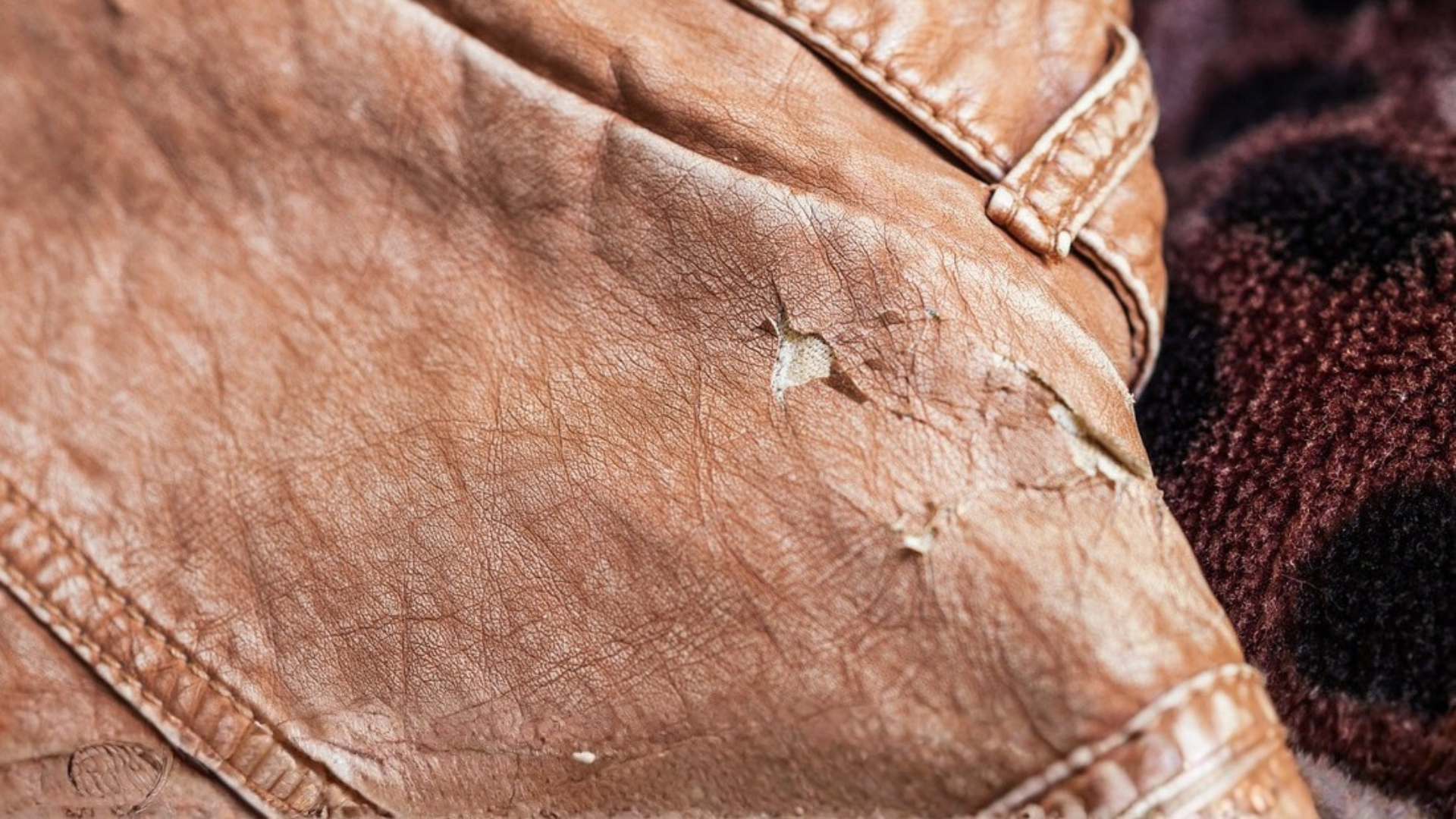
1: The Peeling and Flaking That You Hate
If you talk to any leather repair expert, they will all tell you the same thing: the worst thing about vegan leather is that it doesn't last very long.
Major makers of leather goods say that regular vegan leather usually only lasts 2 to 5 years before it starts to break down.
What causes this to happen? It all comes down to the science of materials.
Real animal leather is made of natural fibers that are tightly woven together. It is a single piece of material that is solid. People usually make vegan leather by gluing a thin layer of liquid plastic to a fabric backing. This is especially true for PU and PVC.
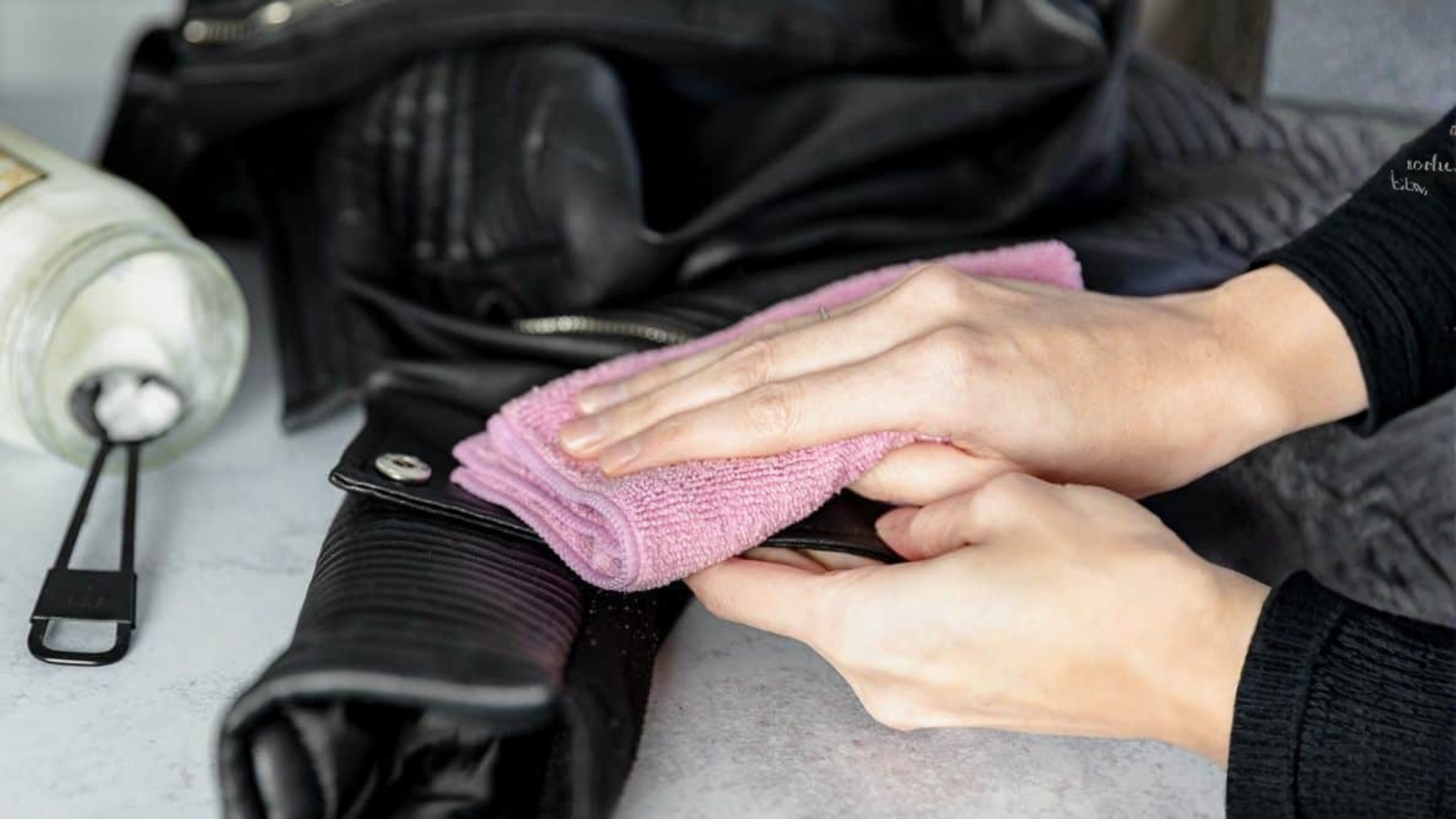
Over time, the bond between the two things breaks down because of normal wear and tear, sunlight, and changes in temperature. The plastic layer just comes off the fabric. It is almost impossible to fix a vegan leather bag or jacket once it starts to peel. You can't buff it out. You can't condition it. It is ruined for good.

2: No Breathability (The Sweat Factor)
Breathability doesn't matter if you're buying a vegan leather purse. But this is a huge problem if you want to buy shoes, pants, or a jacket.
It's skin that is real leather. It has tiny holes in it that let air flow and water escape.
Synthetic vegan leather is plastic that has been made to look like leather. It doesn't breathe.
The material in vegan leather boots keeps your body heat and sweat inside. This makes the air humid and uncomfortable, which can cause bad smells and blisters. If you wear a vegan leather jacket that fits tightly, you will probably feel sweaty and hot, even when the weather is mild.
3: The "Ugly" Way People Age
People in the fashion industry often say, "Real leather gets better with age; vegan leather looks best on day one."
The natural oils from your hands soften the leather in a good quality wallet. It gets a beautiful, dark sheen over time that is called a patina. It gets more character.
A patina cannot form on vegan leather. It can't soak up oils or change to fit its surroundings because its surface is synthetic and completely sealed. It doesn't age well; it just gets worse. The colors may fade in UV light, the edges may fray, and the surface may crack over time.
4: The Truth About Plastic and Microplastic
One of the most controversial downsides of vegan leather is that it is often greenwashed.
As shown in investigative reports from Forbes andEarth.org, the fashion industry has a huge problem with false information. Brands think that "vegan" means "sustainable."
But the truth is very different:
1. Relying on fossil fuels: More than 90% of the market is made up of polyurethane (PU) or polyvinyl chloride (PVC). These are products made from oil. When you buy them, you give money to the fossil fuel industry.
2. The Microplastic Threat: Your vegan leather jacket sheds tiny plastic pieces as it cracks and flakes over the course of three years. These tiny plastic pieces wash into our oceans and soil with ease.
3. Not Biodegradable: Real leather can break down in the ground over time, but synthetic vegan leather will stay in a landfill for hundreds of years, releasing harmful chemicals as it breaks down.