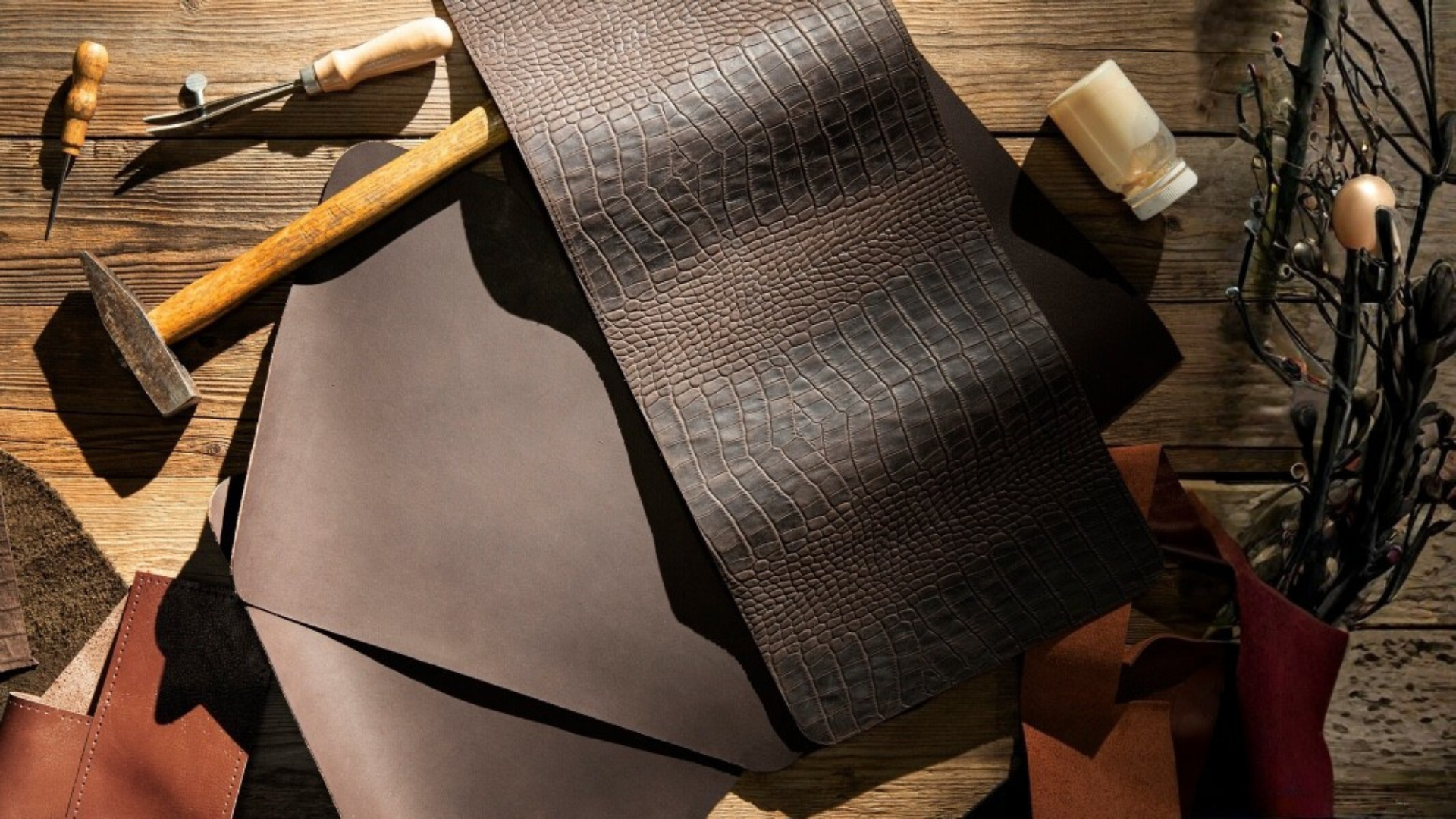
The Ultimate Guide to Cleaning and Caring for Vegan Leather Without Ruining It
People usually treat vegan leather the same way they do cowhide. This is a mistake.
Leather that is made the old-fashioned way is an organic material that does well with oils and conditioning. Vegan leather is basically a plastic polymer, whether it's high-end bio-material or regular polyurethane (PU). It cracks, peels, and turns yellow too soon because you treat it like real skin.
We get rid of the marketing myths in this guide and show you how to take care of your things so they last.
How to clean vegan leather the best way?
Easy, regular upkeep.
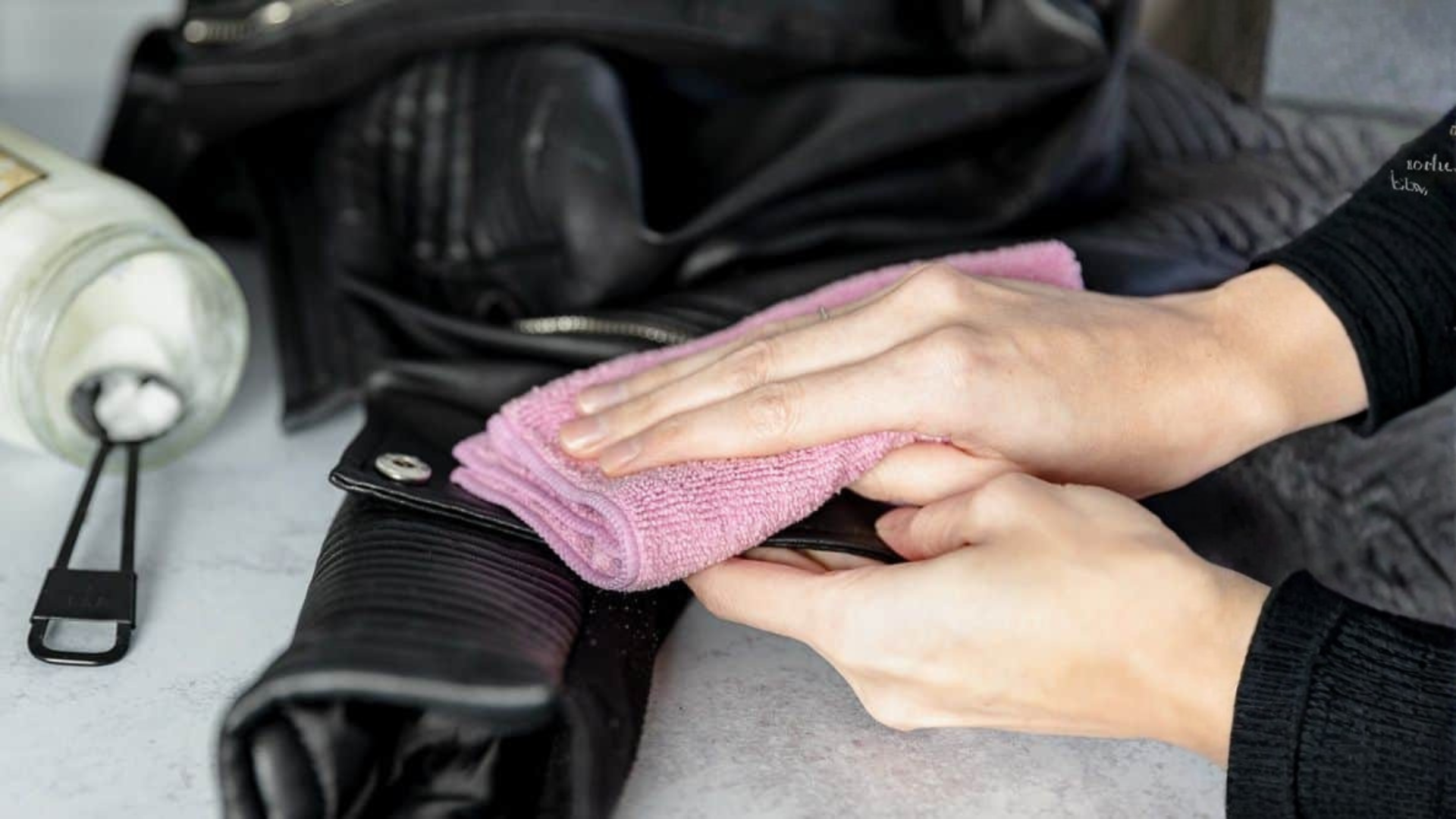
- The Routine: After each use, wipe it down with a soft, dry microfiber cloth to get rid of dust and oils on the surface.
- The Deep Clean: Use lukewarm water and a tiny drop of gentle, pH-neutral dish soap. Use a damp cloth to wipe, and then immediately follow up with a dry cloth.
The biggest mistake we see is Using harsh chemicals or heavy conditioners. Vegan leather is a synthetic surface, so it can't "absorb" things. Anything you put on it just sits on top, and over time, dust and dirt build up and clog the pores of the material.
Are leather wipes okay to use?
Short answer: No, unless they say they are for synthetic materials.
Most traditional leather wipes have waxes, oils, or solvents in them that are meant to get into and soften organic skin. These ingredients make a sticky, tacky film on vegan leather that traps dirt and can even damage the plastic polymers over time. Use only water-based solutions.
What Happens When Vegan Leather Gets Wet?
Vegan leather is usually water-resistant, but it is not waterproof.
The Danger: Water can get into the seams or the fabric backing, which can cause mold or the "peeling" effect, which is when the synthetic coating comes off of its base.

The Answer: Never use heat, like a hairdryer, to speed up the drying process if your item gets wet. The plastic polymers lose their flexibility when they get too hot, which makes them crack right away. Let it dry in a cool, well-ventilated area that doesn't get direct sunlight.
The "Longevity Checklist" for Care
Follow these three rules without fail to really make your things last longer:
1. Stay out of direct sunlight: UV rays are the worst thing for synthetic leather. They break the chemical bonds in PU/PVC, which makes the finish look "chalky" or peel. Put your bags and jackets in a closet that is cool and dark.
2. Stay Away from Alcohol-Based Sanitizers: Hand sanitizers are one of the most common things that ruin vegan leather interiors and accessories. Alcohol is a solvent, which means it will quickly remove the finish from synthetic leather.
3. Stuff It Right: Use acid-free tissue paper to store bags. Don't use plastic bags or newspapers, as the ink can transfer and the material can't "breathe," which can cause moisture to build up.
Summary: Don't "Feed" Your Leather
This is what you should remember from this guide: Your vegan leather is not a living skin; it is a synthetic barrier.
It doesn't need to be "fed" or deeply conditioned. It needs to be stored correctly, kept out of direct sunlight, and handled gently. You can keep your vegan leather items from breaking down too quickly by not using store-bought "leather care" products and instead cleaning them with mild water.
Are you ready to keep your gear safe?
Check your closet first. Is your vegan leather in direct sunlight or in a plastic cover? Put it in a dust bag made of breathable fabric today to make it last longer.