Is Vegan Leather Durable? The Real Story of Longevity
This problem has been around for 10 years.
We've all had the experience of purchasing a "cruelty-free" item only to discover that, after only a few months of use, the handles are fraying or the surface is peeling.
Your harsh treatment of your possessions is not the issue. The systemic gap between astute marketing and the real science of material durability is the issue.
We'll look past the "vegan" label in this guide to examine why some products end up in a landfill within a season while others last for years.
Is Vegan Leather Really Durable? (2026)

In a nutshell, it all depends on the composition.
"Vegan leather" is a catch-all term for a variety of synthetic or semi-synthetic materials, in contrast to animal hide, which has a natural, fibrous structure that can be conditioned and maintained for decades.
Discussions in the fashion and materials research communities indicate that there is no universally accepted definition of "vegan leather durability." While most mass-market "vegan" products are basically coated plastic, some high-end bio-based substitutes are designed to replicate the durability of conventional leather. In terms of longevity, a high-quality leather item will nearly always outlast a cheap polyurethane (PU) bag.
The Three Tiers of Quality
In order to comprehend durability, we need to classify the components of these materials:
1. The PVC/PU "Fast-Fashion" Standard
The most reasonably priced vegan leather is composed of polyvinyl chloride (PVC) or polyurethane (PU). These are thin plastic layers adhered to a backing of fabric. They are vulnerable to "delamination"—the process where the plastic layer separates from the backing and causes the dreaded peeling effect—because they don't have the natural density of hide.
2. Plant-Composite Leathers
Although they represent an advancement in sustainability, the synthetic resins that bind the plant fibers together frequently limit their longevity. Although they are typically more resilient than ordinary plastic, they are still unable to match the "patina" and repairability of real leather.
3. High-Performance Bio-Materials
Researchers are now producing materials from advanced polymers like Mirum or lab-grown mycelium (mushroom roots). These are made especially to address the shortcomings of early synthetic leathers in terms of durability. These are currently more expensive and more difficult to locate, though.
The Reasons Your "Vegan" Item May Be Failing
There are probably two reasons why your item is disintegrating quickly:
1. Plastic Fatigue: In contrast to natural leather, which is porous and has the ability to "breathe," vegan leather made of plastic retains moisture and cannot be properly moisturized. The plastic becomes brittle over time due to temperature changes and UV exposure.
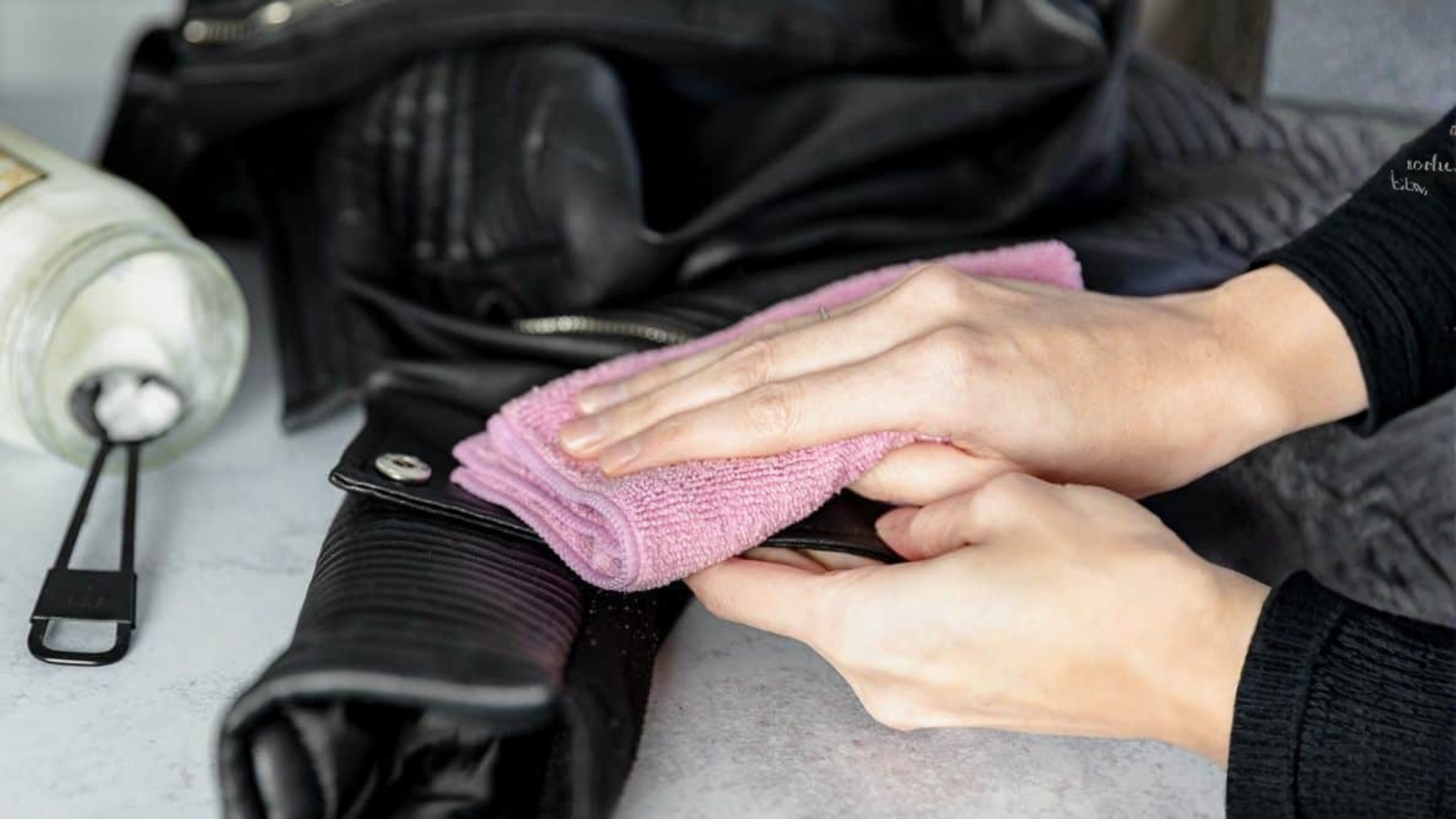
2. Inability to be repaired: Genuine leather can be polished when it scuffs. There is no way to "heal" a synthetic "vegan leather" coating that cracks. The item is considered finished once the plastic surface's integrity is compromised.
How to Determine Quality Before Purchasing
Don't let the marketing label decide for you. To evaluate possible durability, follow these steps:
1. Examine the "Composition" Label: Look past the catchphrases used in marketing. Manage your expectations if the label states "100% Polyurethane" or "PVC," as this is a fashion statement rather than a long-term investment.
2. Feel the "Hand" and Thickness: If the material has an excessively uniform, "perfect" grain or feels like stiff plastic, it's probably a low-quality synthetic. Seek out materials with some suppleness.
3. Examine the brand's supply chain: Bio-materials with exceptional durability are frequently proprietary. Instead of simply referring to it as "vegan leather," look for brands that specifically name their materials (such as Mirum or Desserto).
4. Put Quality Above "Vegan" Current situation: Take into consideration the "buy less, buy better" strategy if you really want a long-lasting item. Because it keeps an existing material out of a landfill, a high-quality used leather item can occasionally be the most durable and sustainable option.
Are you prepared to make an informed decision?
Look up the material name on the manufacturer's website before making your next purchase. It is a clear indication that the product's lifespan will be constrained if they are opaque about what holds the material together.